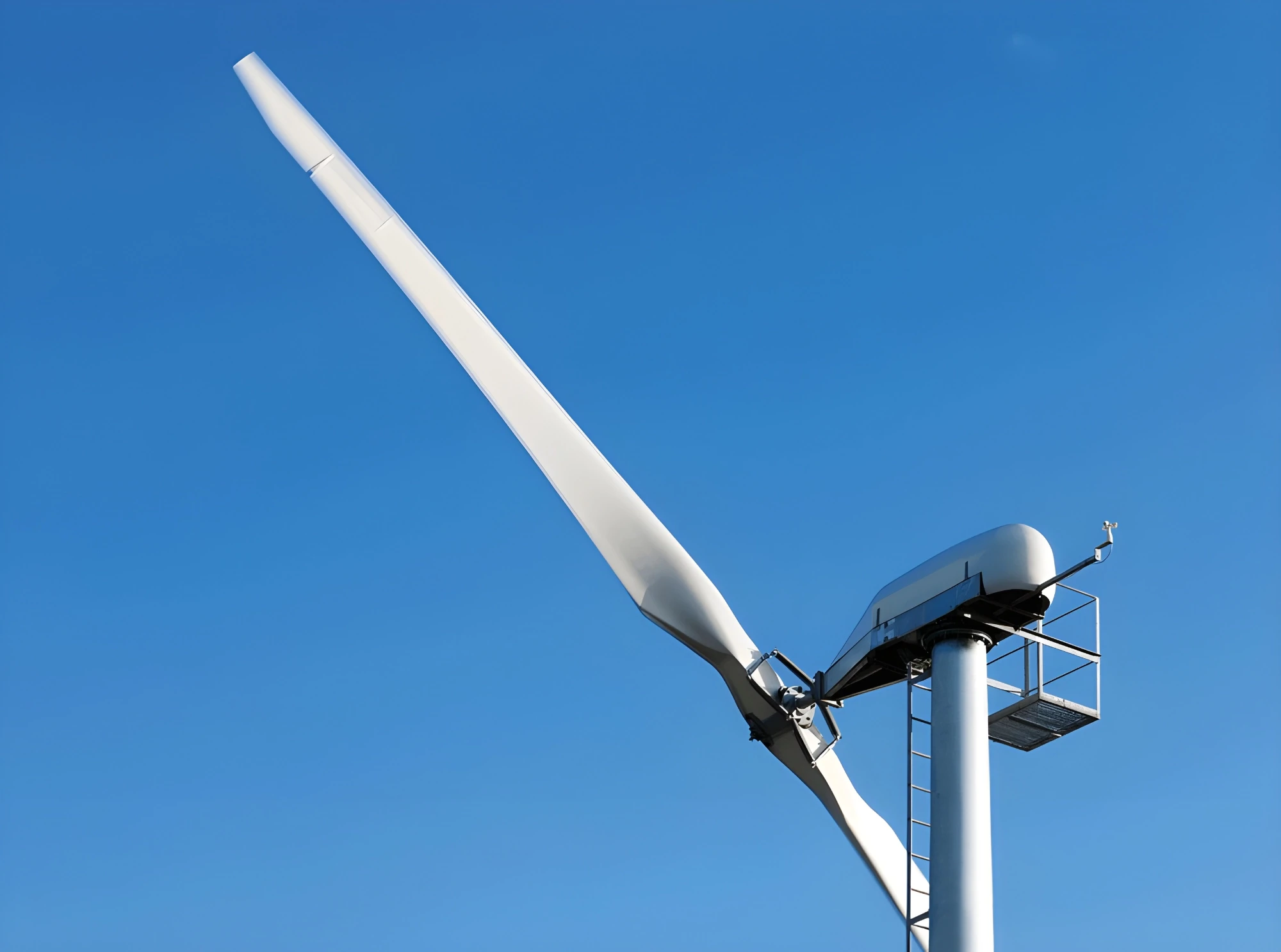
Hybrid systems
Off-grid wind, solar and battery hybrid systems
Combining wind, solar and battery storage, our hybrid solutions reduce reliance on diesel, improve uptime and deliver consistent power where it's needed most
Why combine wind + solar
What is a hybrid energy system?
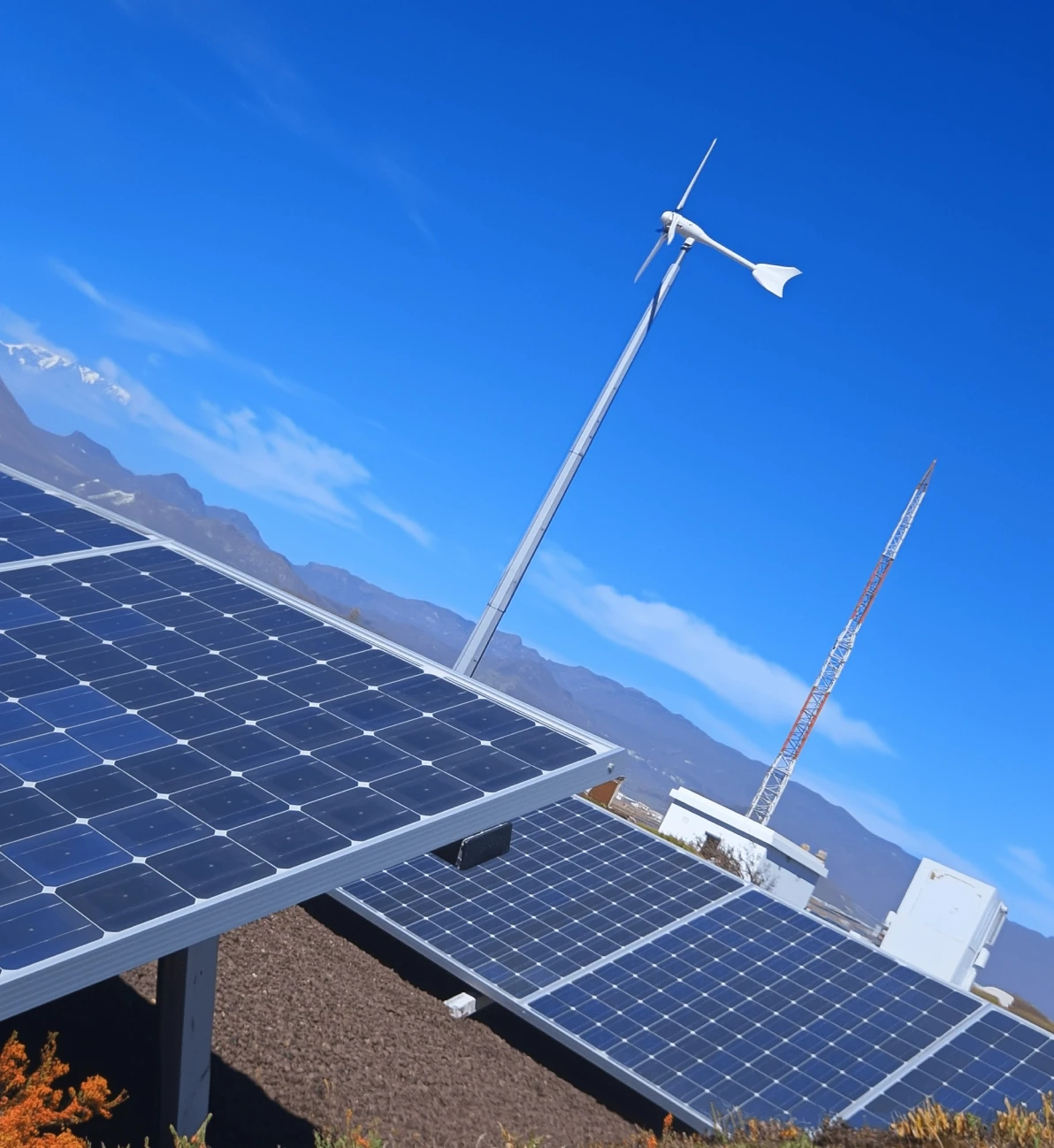
Hybrid energy systems combine multiple renewable sources, most commonly solar and wind, with battery storage to deliver consistent power in off-grid or unreliable-grid environments.
Solar works best during the day, while wind can generate energy day and night. The battery captures excess power and keeps things running when neither source is active. This setup reduces fuel costs, increases uptime and provides a reliable, low-emission alternative to diesel.
Up to 99% lower diesel usage with wind and solar
Hybrid systems reduce fuel consumption significantly compared to diesel-only setups
Significant reduction in operating costs
Ryse Energy’s systems cut fuel use, lower maintenance, and reduce reliance on costly logistics, delivering long-term savings and improved cost stability
Where hybrid works best
Hybrid energy is a smart choice for locations that demand reliable power without relying on diesel or unstable grids
Industrial operations
Reduce dependency on the grid and improve energy security with scalable hybrid setups
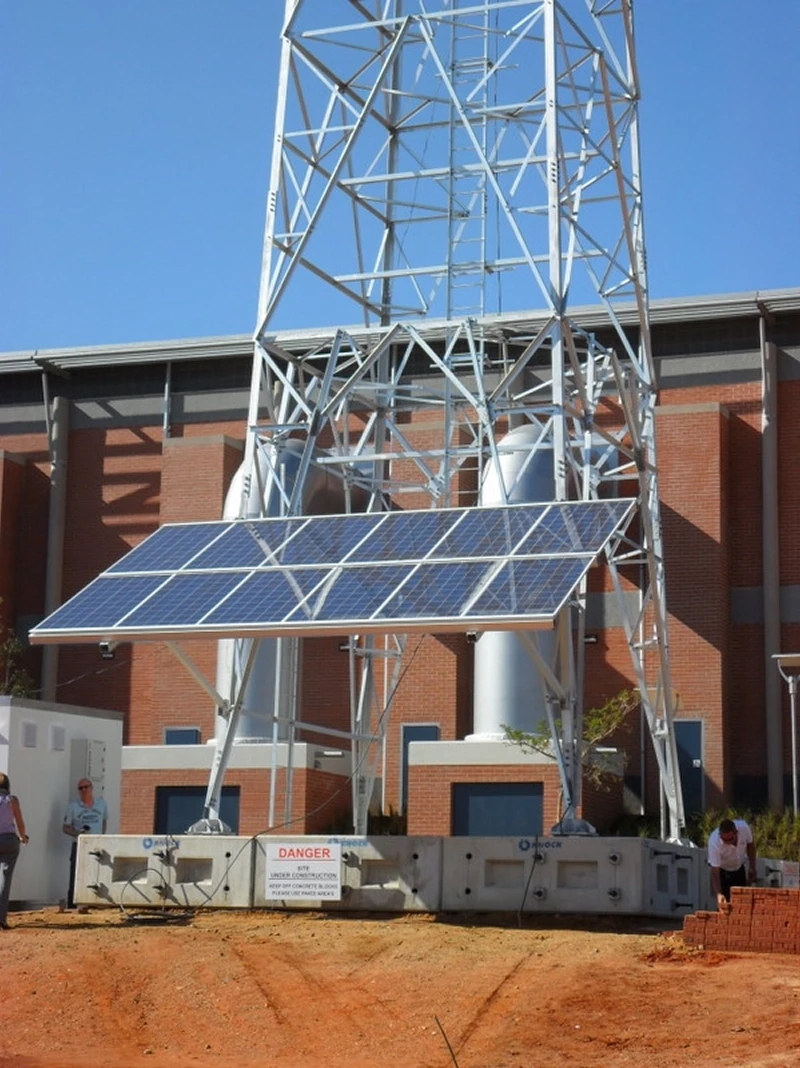
Remote communities
Power island or inland communities with low-maintenance, off-grid energy that’s consistent year-round
Built to power the world's toughest sites
Our hybrid systems are engineered for reliability and performance in the most remote and demanding environments.
Designed for real-world demands
Keeps remote operations running without interruption
Cuts diesel costs by maximising natural energy use
Reduces carbon emissions without sacrificing uptime
Proven in harsh environments
Delivers energy security where the grid fails
“It’s paramount that we increase the energy-efficiency of our networks, and so we’re really excited about the potential of self-powering sites in enabling us to meet both our sustainability and connectivity ambitions.”

BT Group
UK
Proven in the field
Deployed in over 80 countries, across all seven continents
Trusted by telecom providers to power off-grid and bad-grid towers
Supported humanitarian projects in remote communities
Reduces site operating costs
Real results
Hybrid projects we’ve delivered


Case studies for any application
Explore how Ryse Energy has delivered renewable solutions across 10+ industries worldwide, from telecom to agriculture.
FAQ
Hybrid wind and solar questions
What is a hybrid wind and solar power system?
A hybrid system combines wind turbines, solar PV and battery storage under one controller. Solar generates during the day, wind can generate day and night, and the battery supplies the load when neither source is producing. A backup generator can be added for long spells of low wind and sun.
Why add wind to a solar and battery system?
Wind and solar often peak at different times. Wind keeps generating at night, in cloudy weather and through winter, when solar output drops. That means a smaller battery bank and fewer generator hours for the same load.
How much diesel can a hybrid system save?
Savings depend on the site’s wind and solar resource and its load. Compared with diesel-only setups, Ryse hybrid systems can cut diesel use by up to 99%, along with the fuel deliveries and generator maintenance that go with it.
Can a hybrid system run without a grid connection?
Yes. Off-grid hybrid systems power telecom sites for Vodafone Egypt and for Kacific in Papua New Guinea. Hybrid systems also support weak grids, such as Winercon’s bad-grid telecom towers in Valencia, Spain, and grid-connected sites such as ADIF rail facilities in Spain.
What turbine and solar sizes go into a typical hybrid system?
Telecom and infrastructure sites commonly pair an E-5 5 kW turbine with a solar array, for example 6 to 8.3 kWp per site for the Aragonese Government and 9.9 kWp for Vodafone Egypt. Low-load sites such as pipeline monitoring use AIR range micro turbines. Village microgrids in Ghana and Cape Verde use 10 to 15 kW turbines with 20 to 30 kW of solar.
Where do Ryse hybrid systems work best?
At sites that need power around the clock and face high fuel costs or an unreliable grid, including off-grid and bad-grid telecom towers, monitoring stations, rural microgrids, water pumping and remote homes.
How do I get a hybrid system sized for my site?
Send us your location, your load and how the site is powered today. Our team assesses the wind and solar resource and sizes the turbine, solar array and battery bank to match. Use the form below to start.