Commercial solutions
Energy systems for telecoms and critical infrastructure
From off-grid towers to essential infrastructure, Ryse hybrid systems deliver reliable, low-emission power with round-the-clock uptime and minimal maintenance.
Who is it for
Designed for high-demand infrastructure
From telecom towers to national utilities, our hybrid systems ensure consistent power where it matters most.
Always-on connectivity
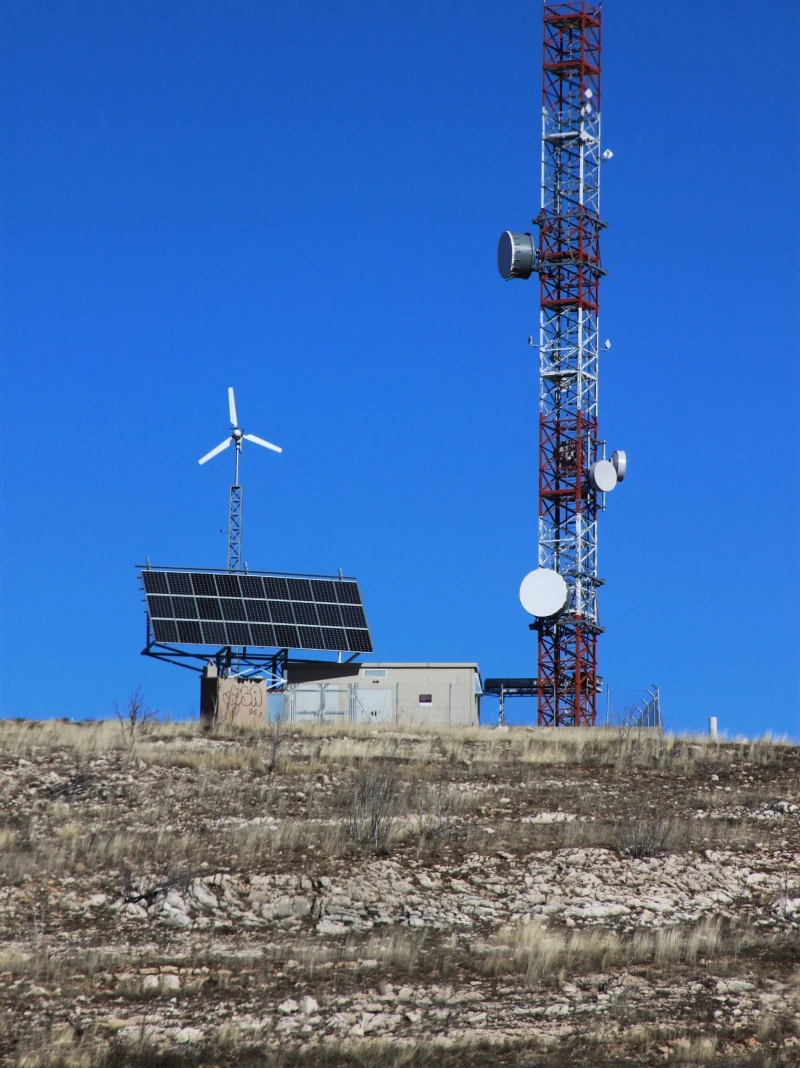
Telecom towers
Stay online even in remote or harsh conditions with hybrid power designed for off-grid and bad-grid telecom sites.
Critical infrastructure
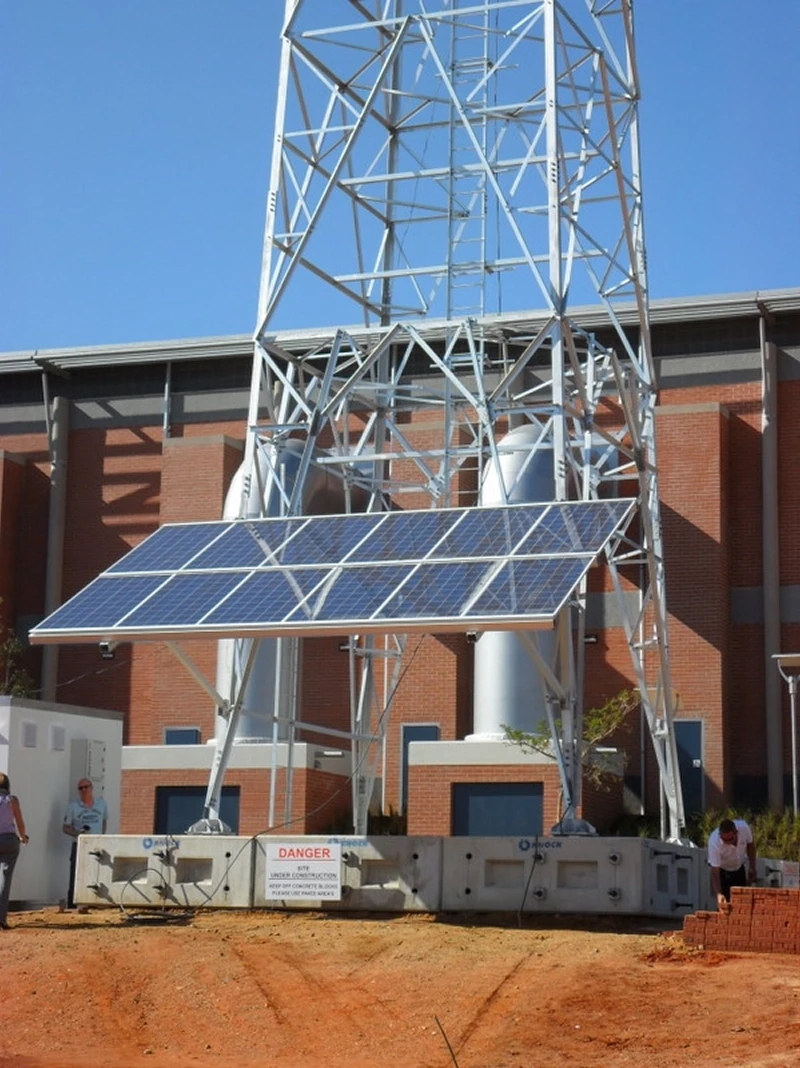
Power for essential systems
Deliver energy to emergency services, transport networks and utilities with reliable hybrid performance.
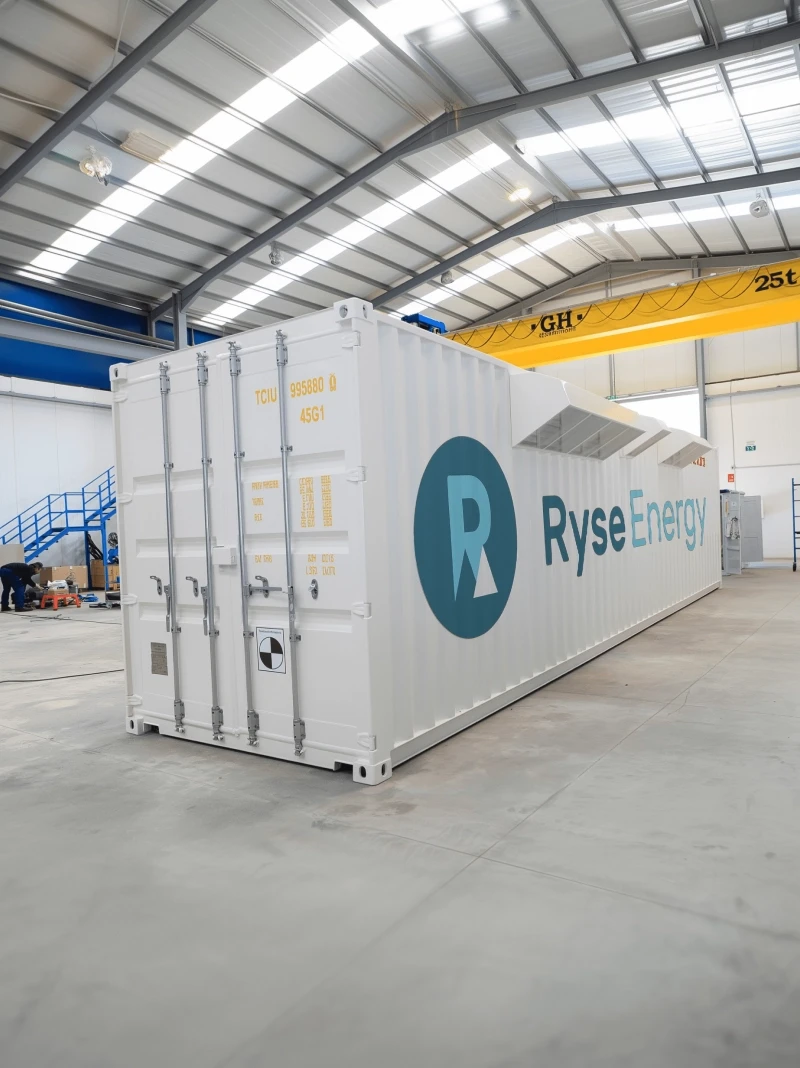
Custom setups
Built around your needs
Our engineers can design and configure systems to meet your technical, spatial and operational requirements.
How It Works
From first conversation to system deployment, here’s what to expect when working with Ryse.
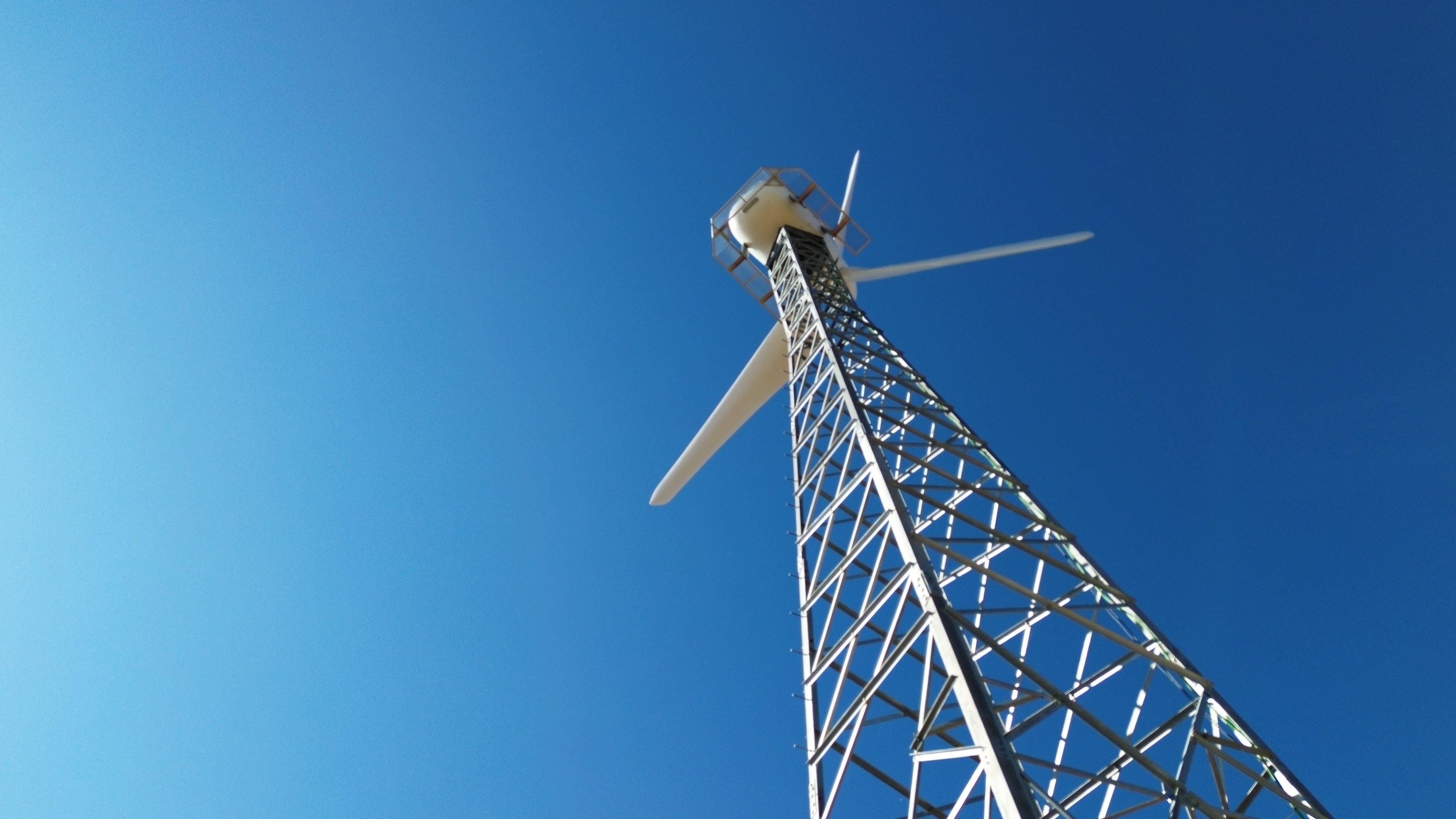
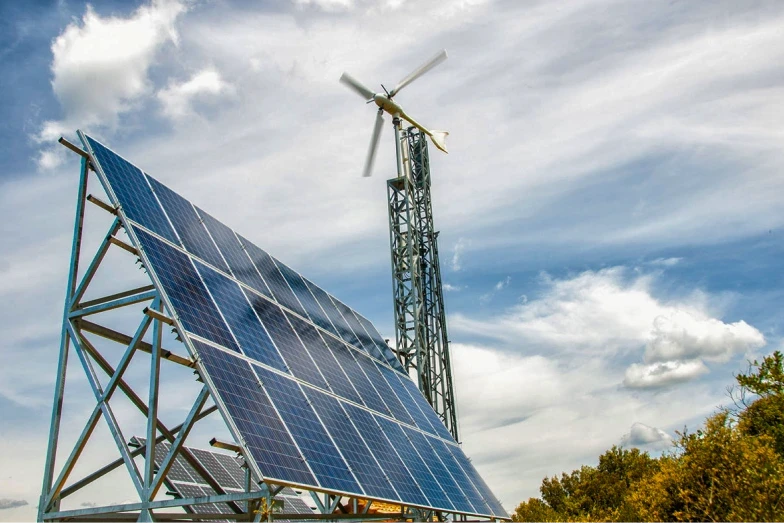
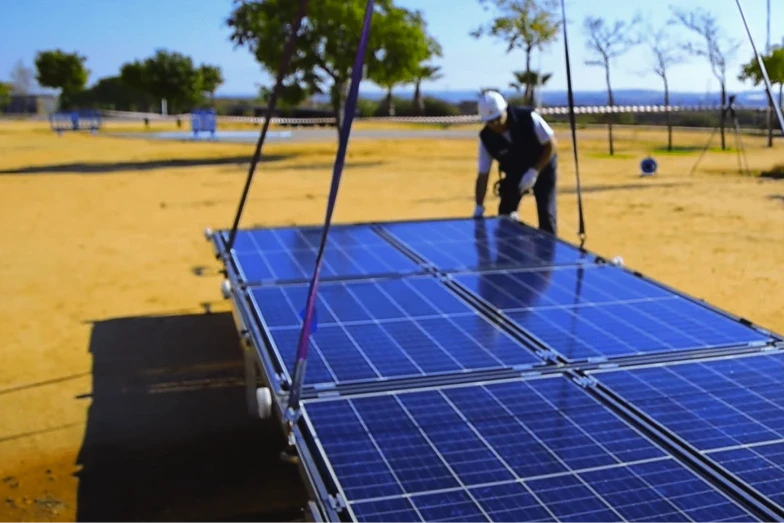
Dependable power for remote infrastructure
Ryse hybrid systems combine wind, solar, and storage to keep remote towers online, reduce diesel costs, and deliver reliable power in tough conditions.
Maximises uptime for mission-critical operations
Reduces long-term energy costs at scale
Delivers stable performance across all seasons
90% less CO₂
Compared to diesel when using HVO biofuel
45,000 hour lifespan
With only one scheduled service per year
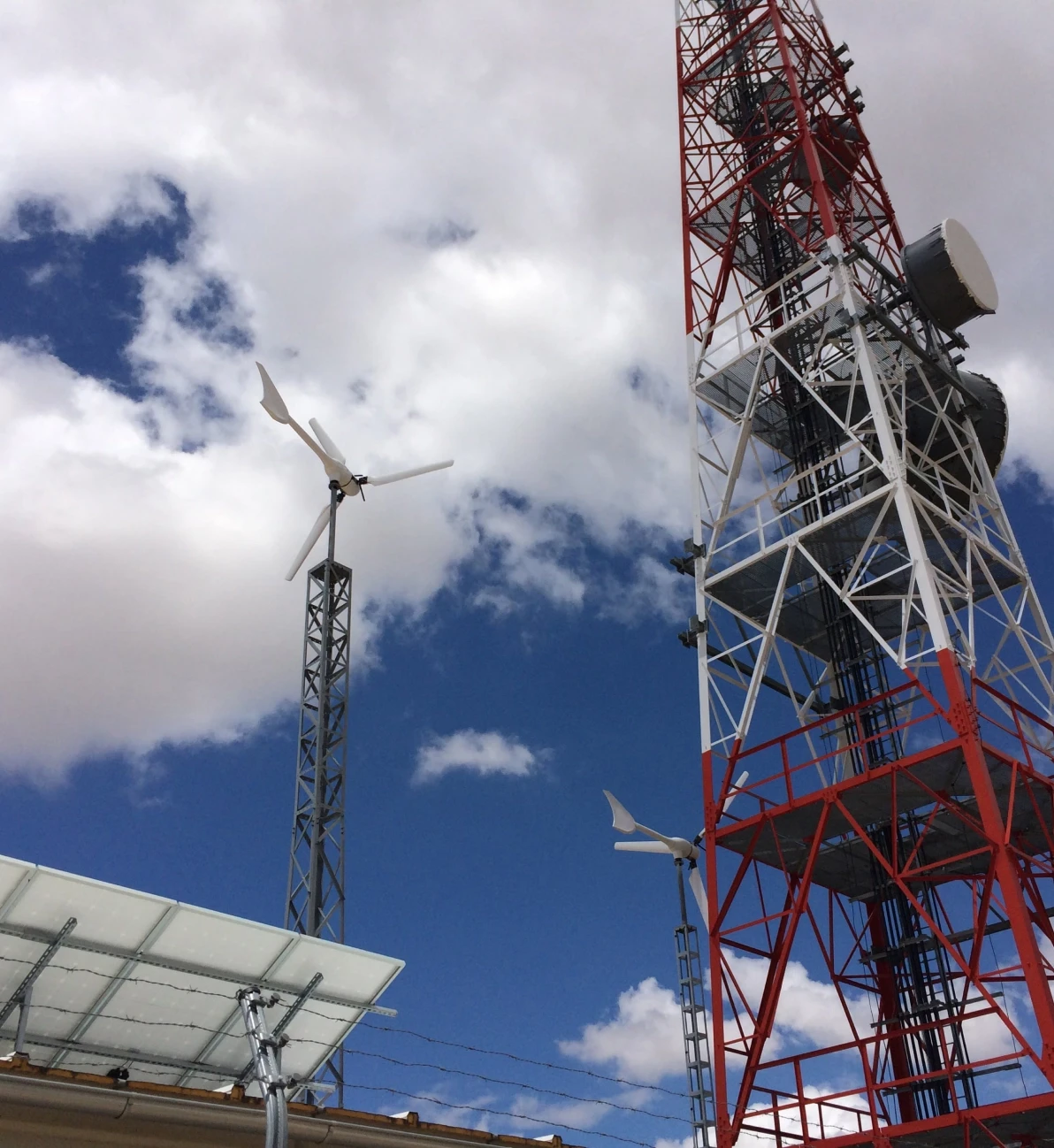
Built for mission-critical power
Ryse systems are engineered for remote and demanding sites where downtime is not an option. Rugged, reliable and low-maintenance, they perform where others fail.
Engineered for critical operations
Supports 24/7 infrastructure and telecom systems
Performs in extreme weather and remote locations
Installs easily with minimal site requirements
Configures with solar, battery or backup generators
Delivers stable output for uninterrupted uptime
Trusted by global infrastructure leaders
Deployed across telecom towers and utility sites
Low maintenance for long-term reliability
Flexible siting from rooftops to ground installations
Backed by expert engineering teams across regions
Real results
Wind projects we’ve delivered


Case studies for any application
Explore how Ryse Energy has delivered renewable solutions across 10+ industries worldwide, from telecom to agriculture.
FAQ
Frequently asked questions
What power systems does Ryse supply for telecom towers?
Ryse supplies hybrid systems that combine wind, solar, battery storage and clean microturbine gensets, sized to keep off-grid and weak-grid towers online around the clock.
Which wind turbines are used at telecom sites?
Ryse small wind turbines deliver from 3 kW to 60 kW per unit. MTN in South Africa uses the 5 kW E-5 alongside solar, and Vodafone in Spain uses the E-3 or E-5 at on-grid and off-grid towers.
Can a hybrid system include a backup generator?
Yes. The Bladon MTG12 microturbine genset delivers 12 kW of continuous power, runs on diesel, kerosene, paraffin, bio-diesel or HVO, and needs one service a year.
How do Ryse systems reduce site visits?
The MTG12 has a design life of 45,000 hours and needs one scheduled service a year, which can cut site visits by up to 90%. Remote monitoring lets operators track each site without traveling to it.
What critical infrastructure does Ryse power?
Radar and monitoring stations, rail facilities and temporary sites such as military, refugee and hospital camps. Projects include the Suez Canal Authority’s East Al Fardan radar station and an ADIF rail facility in Spain.
How reliable is hybrid power for critical infrastructure?
At the Suez Canal Authority’s East Al Fardan radar station, an E-5 wind turbine, rooftop solar and Li-ion storage have powered the site for over 99% of the time since installation.
Does Ryse design, install and maintain the system?
Yes. Ryse provides design and installation, and maintenance and monitoring services, from first conversation through to deployment and operation.
Where are Ryse systems deployed?
More than 180,000 Ryse wind turbines are installed in over 80 countries on all seven continents, including more than 5,000 in telecom and critical infrastructure.