Insights
Small Wind Turbine Performance
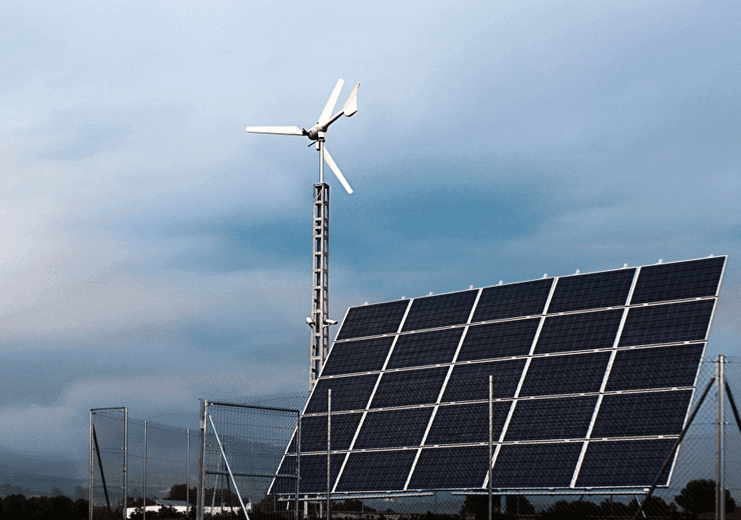
Wind energy is an abundant and renewable source of power that can be harnessed through the use of small wind turbines. These turbines are designed to generate electricity for residential, commercial, and industrial applications. However, the performance of small wind turbines plays a crucial role in maximizing their efficiency and power output. In this article, we will explore the factors that affect small wind turbine performance, design considerations, monitoring, and maintenance, as well as the benefits and challenges associated with their use.Small wind turbines are compact versions of their larger counterparts and are typically installed in areas with ample wind resources. They are designed to capture the kinetic energy present in the wind and convert it into electrical energy. To ensure optimal performance, it is essential to understand the various factors that influence their efficiency.Factors Affecting Small Wind Turbine PerformanceSeveral factors influence the performance of small wind turbines, and understanding these factors is crucial for maximizing their efficiency. Wind speed and direction play a significant role as higher wind speeds result in increased power output. The height and location of the turbine also affect its performance, as taller towers allow the turbine to capture stronger and less turbulent winds. Additionally, the design and material of the turbine’s blades impact its efficiency, and the generator’s efficiency affects the conversion of mechanical energy into electrical energy.Wind Resource AssessmentAssessing the wind resource at a potential installation site is crucial for determining the viability and performance of small wind turbines. Techniques such as anemometers, wind maps, and computer models are used to assess wind resources accurately. The wind resource directly influences the turbine’s performance, as higher wind speeds result in increased power output.Design Considerations for Small Wind TurbinesDesign considerations play a crucial role in ensuring the optimal performance of small wind turbines. The rotor diameter and the swept area are critical factors that determine the amount of wind energy captured. Tower height and stability are also essential to position the turbine in the highest wind zone. Blade pitch control allows for efficient power production across a range of wind speeds, while power regulation systems ensure the turbine operates within safe and efficient parameters.View our small wind turbines.Small Wind Turbine Efficiency and Power OutputSmall wind turbine efficiency is determined by the power coefficient, which is the ratio of the power output to the available wind power. The Betz limit sets the maximum efficiency that can be achieved. Cut-in and cut-out wind speeds define the range of wind speeds at which the turbine starts and stops producing power. The capacity factor, which represents the actual energy produced compared to the maximum possible, and the annual energy production are important metrics for evaluating small wind turbine performance.
Get a personalized quote for our products.Contact Us
Monitoring and Maintenance of Small Wind TurbinesRegular monitoring and maintenance are essential for ensuring the long-term performance and reliability of small wind turbines. Monitoring systems can provide real-time data on turbine performance, allowing for early detection of issues. Common maintenance tasks include cleaning the turbine, inspecting the blades, and lubricating moving parts. Troubleshooting common issues promptly can help minimize downtime and optimize power output.Benefits and Challenges of Small Wind TurbinesSmall wind turbines offer several benefits, including environmental advantages and potential cost savings. They produce clean, renewable energy and contribute to reducing carbon emissions. Small wind turbines also provide energy independence, especially in remote areas where grid connections may be limited. However, challenges such as noise and visual impacts, as well as permitting and zoning regulations, need to be carefully addressed during installation.Case Studies of Successful Small Wind Turbine InstallationsSeveral successful installations of small wind turbines serve as examples of their practical application and effectiveness. These case studies demonstrate the positive impact of small wind turbines on energy generation and showcase the factors contributing to their success. Factors such as proper site assessment, appropriate turbine selection, and efficient maintenance are essential for achieving optimal performance.Learn more about our successful applications. Small wind turbine performance plays a crucial role in maximizing their efficiency and power output. Factors such as wind speed, turbine design, and generator efficiency significantly impact their performance. Proper wind resource assessment, design considerations, regular monitoring, and maintenance are essential for ensuring optimal performance and longevity. Small wind turbines offer various benefits, including clean energy production and cost savings, while also posing certain challenges. As technology continues to advance, the future prospects for small wind turbines look promising in contributing to a sustainable energy future.