Insights
The Environmental Impact of Solar Panel and Wind Turbine Manufacturing and Disposal

When you think about clean energy, images of sunny skies and windswept fields probably come to mind. It’s easy to focus on the benefits – cleaner air, reduced reliance on fossil fuels, and a healthier planet. But what about the process of making and breaking down these renewable energy systems? Let’s take a closer look.
SOLAR PANELS AND WIND TURBINE MANUFACTURING IMPACT
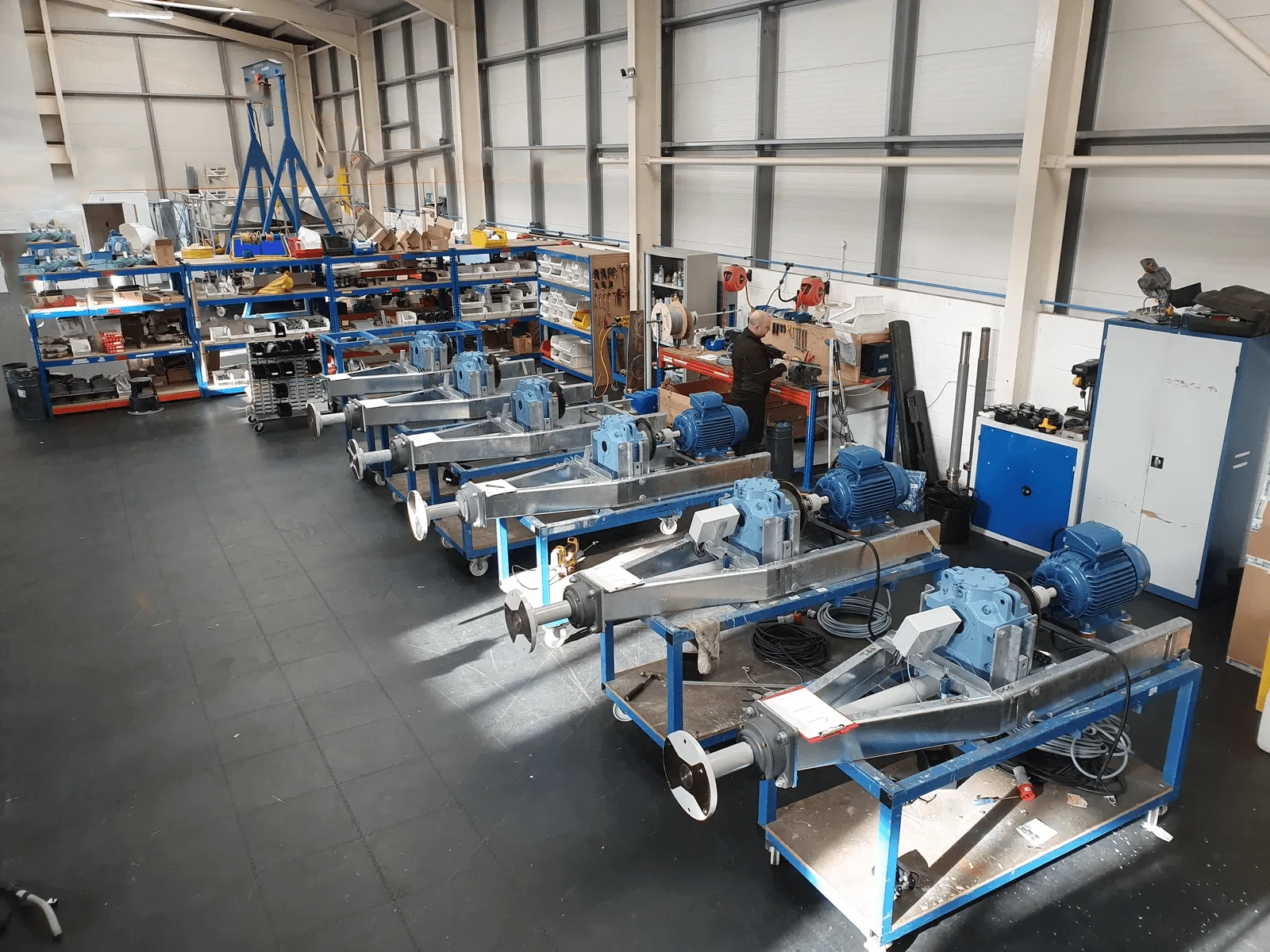
Manufacturing solar panels and wind turbines requires resources, and that’s a fact. From the silicon for solar cells to the steel for turbine towers, there’s an environmental footprint involved. Both systems often rely on composites, which are materials made by combining two or more distinct components. In the case of wind turbine blades, these composites typically consist of glass fibres reinforced with petroleum-based resins and paints. While composites offer advantages like strength and lightness for the blades, their production can be resource-intensive.
But the good news is, things are improving. The industry has made huge strides in reducing its impact. For example, solar panel manufacturing has become significantly more energy-efficient over the years. A study by the National Renewable Energy Laboratory (NREL) found that the carbon footprint of solar panel production has decreased by over 80% since 1997. While there’s still room for improvement, things are definitely moving in the right direction.

RECYCLING SOLAR COMPONENTS
What happens when solar panels reach the end of their lifespan? Well, this is where proper disposal and recycling become crucial. Solar panels are largely made of glass, aluminium, and silicon – all materials that can be recycled. However, there’s still a challenge with certain components, like the thin films used in some panels, which can contain trace amounts of hazardous materials. This is a complex issue, but research and development continues, looking at finding more effective recycling solutions.
The International Energy Agency (IEA) state that less than 3% of solar panels produced before 2009 have been recycled. This highlights the need for improved recycling infrastructure and policies.
While recycling rates for solar panels is perhaps slower than we’d like, momentum is growing in this area. The Global Solar Council reported a significant increase in solar panel recycling capacity in recent years, driven by both regulatory requirements and industry initiatives.
RECYCLING WIND COMPONENTS
Wind turbines are mostly built from steel and concrete – materials that are easily recyclable. The challenge here lies in the sheer size of these structures. Dismantling and transporting them can be logistically complex and costly. But as technology advances, thankfully so do the methods for recycling these components.
One significant challenge in wind turbine recycling is dealing with the blades. Traditionally made from composites that combine glass fibres with non-biodegradable resins, these blades are incredibly difficult to separate and recycle. Landfilling them is a common, but unsustainable, practice and has garnered significant media attention due to the growing volume of decommissioned blades.
There are promising developments, however. Companies are exploring options to repurpose blades. Some ways include:
Crushing the blades for use as an aggregate in concrete
Separating the glass fibres and polymeric resin to make reinforced industrial products: processing blades to produce materials for construction, flooring, and other industrial products.
Recovering the glass fibres from blades using pyrolysis, a process that involves heating the material in the absence of oxygen.
Developing new blade materials: making blades with recyclable epoxy resin.
Other uses: repurposing blades for playgrounds, bicycle shelters, bridges, and other infrastructure.
To address these environmental concerns, researchers have been exploring the use of Natural Fiber-Reinforced Composites (NFRCs) as a more sustainable alternative for wind turbine blades. NFRCs, made from materials like hemp, sisal, and E-glass, offer several advantages:
Reduced Environmental Impact: NFRCs have a lower carbon footprint compared to traditional composites.
Biodegradability: Many NFRC materials are biodegradable, reducing the long-term environmental impact.
Potential for Recycling: New epoxy resins offer nearly 100% recyclability, making it possible to create recyclable blades.
Local Sourcing: Using locally sourced materials can reduce transportation emissions and support local economies.
At Ryse Energy, we’re currently looking into the use of hemp fibres as a potential replacement for traditional glass fibres in our wind turbine blades. Hemp offers a more sustainable alternative as it’s a readily available, fast-growing, and biodegradable material. While it doesn’t entirely eliminate the challenge of composites, it represents a significant step forward by introducing a renewable and eco-friendly component.
THE FUTURE OF SUSTAINABLE ENERGY
The renewable energy industry is increasingly committed to sustainable practices. For wind turbine and solar panel producers, this means adopting environmentally responsible approaches throughout the entire production process – from sourcing materials to manufacturing and end-of-life management. By integrating recycled materials, reducing energy consumption, and minimizing waste, companies can improve their environmental performance.
As the demand for renewable energy continues to grow, it’s crucial to develop sustainable solutions for both manufacturing and disposal. Investing in research and development, along with exploring innovative materials like NFRCs, can lead to cleaner and more efficient production methods.
Ryse Energy’s UK branch is taking a proactive step toward sustainability by working to achieve ISO 14001 certification within the next six months. This certification reflects a commitment to environmental management, including waste reduction, resource efficiency, and pollution prevention.
Ultimately, this shift toward sustainability presents both challenges and opportunities. By embracing these advancements, renewable energy producers can not only reduce their environmental impact but also gain a competitive edge in the evolving energy landscape.

THE BIGGER PICTURE: ENVIRONMENTAL BENEFITS OUTWEIGH COSTS
It’s important to remember that while there are environmental considerations in the production and disposal of solar panels and wind turbines, the overall benefits of renewable energy to our planet are immense. The reduction in greenhouse gas emissions and air pollution far outweigh the challenges. Plus, the renewable energy industry is constantly innovating to minimize its footprint.
At Ryse Energy, we strive to support sustainable practices throughout the entire lifecycle of our renewable energy projects. From the materials we use to the way we dispose of old equipment, we’re always looking for ways to improve. We’re committed to continuing our efforts to make the process more planet-friendly and exploring hemp-based composites is just one of the ways we’re working towards that goal. We believe that a clean energy future is not just about harnessing the power of the sun and wind, but also about doing it responsibly.